





Snow blankets your driveway, but your children need to get to school, and you've got a meeting downtown. It's just another typical winter's day in Ohio, but unlike your neighbor who's still scraping ice off their windshield, you've already triggered your Dodge Durango's remote start from your kitchen. The cabin's warming up, snow-gripping all-wheel drive (AWD) is ready, and heated seats await your arrival. For Ohio families battling unpredictable weather, these are necessities that turn chaos into calm when winter shows its teeth. more New Dodge Durango For Sale Why the Dodge Durango AWD Is Ohio's Ultimate Winter Vehicle Ohio roads can be dangerous in winter, with lake-effect snow around Cleveland one day and farm-country ice patches the next. The Dodge Durango's AWD system moves power between the wheels automatically when trouble hits. If the front tires encounter ice, the system shifts power to the rear wheels to improve traction. The Bilstein Active-Damping High-Performance Suspension keeps tires pressed against the road surface when you need stability most. These systems work together to keep your family safe, whether you're cruising down I-71 or navigating ice and slush in busy parking lots. The 2025 Dodge Durango offers three engine choices: a 3.6-liter Pentastar V-6, a 5.7-liter HEMI V-8, or a supercharged 6.2-liter HEMI V-8. The R/T variant is paired with an eight-speed automatic transmission. It delivers 360 hp and 390 lb-ft of torque, giving you more than enough power to overcome winter's worst obstacles. The 2026 Durango GT AWD starts at $40,495, and the R/T AWD starts at $49,995. For that, you're buying peace of mind when weather forecasters give winter storm warnings and investing in technology that keeps working when conditions go from bad to worse. Check out the full range of available Durango models to find one that matches your family's needs. Remote Start, Tech, and Comfort Features For those cold Ohio mornings, the GT Plus includes remote start as standard, as well as heated front and second-row seats, adaptive cruise control, a lane departure warning, and a power liftgate. Start your Durango from the kitchen table, and by the time your children get their winter gear on, your car has melted frost from the windows and warmed the cabin. The dashboard features a 10.1-inch touch screen and Uconnect 5 setup, bringing Apple CarPlay and Android Auto with quick responses and wireless connectivity. The 2026 Durango GT also includes heated seats, AWD capability, navigation, a power liftgate that saves you from setting bags in slush, and separate climate zones. The Uconnect system's responsiveness means you can adjust temperatures or find alternate routes instantly. Essential Heated Features for Ohio Winter Comfort The 2025 Durango makes winter mornings in Ohio a little easier to bear. Heated front seats and a heated steering wheel come as standard. You also get multi-zone climate control. The GT Plus adds heated second-row seats, while the R/T Plus includes heated second-row seats with nappa leather-trimmed upholstery that feels luxurious. Upper trims include heated mirrors with power folding and driver's auto-dimming technology. In Ohio winters, this means you don't have to pull over to scrape ice from side mirrors during snow squalls. The mirrors warm automatically, melting ice and preventing accumulation, so you maintain visibility when conditions deteriorate. These heated elements work alongside traction control and electronic stability systems to keep your family safe and comfortable during winter drives. When it starts to rain or snow, rain-sensitive wipers activate without manual adjustment, while rear wipers and defrosters keep the back glass clear. The full 2025 Dodge Durango lineup starts with the GT variant. Parents who've white-knuckled through Lake County snowbelts understand that these aren't frivolous extras. They determine whether you make it to work, the children get to school on time, and winter errands become manageable or all-day ordeals. Experience Winter Confidence With Bob Caldwell CDJR If you want to see how these winter features perform on Ohio roads before committing, stop by Bob Caldwell CDJR for a test-drive in actual winter conditions. We'll match you with the right Durango based on your family's needs and budget. Give us a call at 614-888-2331 to arrange your visit. When winter hits, you'll have peace of mind knowing your Durango has got you covered. Dodge Durango Winter Features Frequently Asked Questions 1. What makes the Dodge Durango good for winter driving in Ohio? The Durango performs well in Ohio winters because its AWD system automatically shifts power to the wheels with the most traction. This helps maintain control on snow, slush, and ice. Heated features and remote start improve visibility and comfort on freezing mornings. 2. How does the Durango’s AWD system help on icy Ohio roads? Its AWD system moves torque between front and rear wheels when it detects slipping. This improves traction when driving on black ice, bridge frost, and snow-covered roads common across Ohio. 3. How long does it take for the Durango’s remote start to warm the cabin? Most Durango models begin warming the cabin and melting frost within a few minutes. By the time you finish loading kids or prepping for the commute, the interior is already comfortable. 4. What winter-ready features come standard on the Dodge Durango? Standard cold-weather features include heated front seats, a heated steering wheel, multi-zone climate control, and AWD capability on the appropriate trims. Higher trims add heated second-row seats and heated mirrors. 5. What’s the difference between AWD and 4WD for winter driving? AWD is automatic and always engaged, making it ideal for mixed winter conditions in Ohio. Traditional 4WD is driver-selectable and better for off-road or deep-snow situations. For daily commuting and school runs, AWD is more convenient. 6. What winter risks should Ohio drivers consider with the Durango? Drivers still need to watch for black ice, packed snow, and sudden lake-effect flurries. Even with AWD, stopping distances increase in winter, so traction control and ABS help maintain stability. 7. How do Ohio’s local conditions affect Durango winter performance? Lake-effect snow near Cleveland, icy rural roads in central counties, and sudden temperature swings require vehicles with strong traction systems and heated features. The Durango’s AWD and heated mirrors help manage these conditions. 8. What determines the Durango’s performance on snowy roads? Traction comes from AWD programming, tire quality, suspension stability, and engine torque. Heated mirrors, remote start, and wiper systems support visibility when winter weather intensifies. 9. Can the Durango handle steep or unplowed roads during Ohio storms? Yes, as long as the vehicle has proper winter tires. Its AWD and stability systems help it climb inclines and push through moderate unplowed snow, though extreme conditions still require caution. 10. What winter mistakes should Durango owners avoid? Drivers should avoid using worn all-season tires, overestimating AWD braking ability, skipping routine defrosting, and ignoring low-visibility hazards during heavy snow or freezing rain. road between snow-covered trees during daytime by Jon Tyson is licensed with Unsplash License
Apartment-Friendly Charging in Columbus: Pacifica Plug-in Hybrid Home Setup and Costs
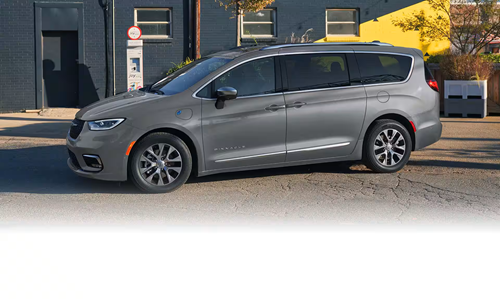
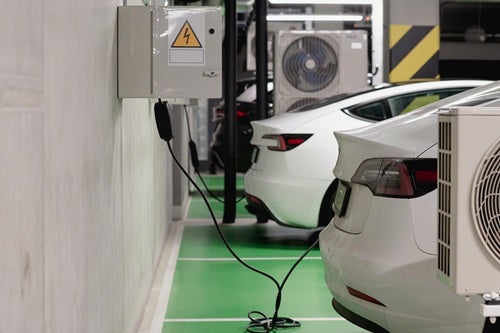
Living in a Columbus apartment doesn't close the door on the benefits of plug-in hybrid driving. The Chrysler Pacifica Plug-in Hybrid gives urban dwellers electric efficiency without the headaches of full electric vehicle (EV) ownership. This practical vehicle fills the gap between gas engines and electric cars, fitting neatly into apartment life where charging options may be limited. Our team at Bob Caldwell Chrysler Dodge Jeep Ram can assist you with home charger guidance and plug-in hybrid charging tips. more Contact Us Pacifica Plug-in Hybrid Charging in Columbus: Simple Solutions for Apartments The Pacifica Plug-in Hybrid works well for Columbus apartment residents thanks to its smart dual powertrain. This combination of electric motors and a 3.6-liter V-6 Pentastar engine produces 260 horsepower while easing the concerns that often surround EVs. This plug-in hybrid delivers a 32-mile all-electric range and a total range of about 520 miles. Columbus continues to expand support for apartment residents owning plug-in hybrids and EVs, as city planners recognize the need for practical charging options. Everyday Charging Made Easy Chrysler designed the Pacifica Plug-in Hybrid with apartment life in mind, starting with the portable charging cord included with every vehicle. This durable, weatherproof system can be stored neatly in the cargo bin on the driver's side in its own storage bag. It works in rain or sun, indoors or out, allowing you to charge even if you don't have covered parking. Charging times fit easily into your daily routine. You can choose either Level 1 or Level 2 charging connected to a 120-volt outlet or a 240-volt outlet. The car's display screen shows the charging status and finish time, and built-in safety features help protect both the vehicle and apartment wiring. The Pacifica Plug-in Hybrid is noted for its ease of charging. Level 1 vs. Level 2 Charging: What's Right for Your Space? Level 1 charging is ideal for apartment life because it uses regular 120-volt outlets found in most buildings. This method adds 2 to 5 miles of range per hour and works well if you drive under 50 miles daily. A complete charge will take around 12 hours, but overnight charging is convenient and needs no installation. Level 2 charging speeds things up significantly, adding 10 to 60 miles of range per hour using 240 volts and delivering a full charge in about 2 hours. Installation costs typically range from $2,000 to $5,000, including equipment, labor, permits, and inspections. This option makes sense for apartment residents with dedicated parking who can persuade their landlords to approve installation, or drivers who prefer quick charges between errands. Plug and Power Options for Apartment Drivers Safety rules shape how charging works in apartment communities. When installing charging gear, National Electrical Code Section 625 calls for proper weatherproofing in outdoor locations and requires licensed electricians to handle the work. Apartment residents need charging outlets in garages or covered areas, with cords no longer than 25 feet for safety. This means asking your landlord to provide the proper electrical access. Many Columbus apartment buildings now offer shared charging stations with costs divided among residents. Mobile charging services are appearing around the city as well, giving you backup options when needed. Understanding Charging Costs in Columbus When looking at EV charging costs in Ohio, Columbus apartment residents benefit from Ohio's low electricity prices for plug-in hybrid charging. Ohio's rates sit at around 15.85 cents per kWh, lower than the U.S. average of 17.47 cents. That translates to home charging costs of roughly $26 per session, with monthly bills of around $49 for a sedan-sized EV. Costs strongly favor electric driving, as electricity averages about 5 cents per mile compared with gas at 11 cents per mile. For example, driving 1,015 miles monthly costs roughly $50 when charging at home at 17.47 cents per kWh, while gas for the same distance would total $110. Your apartment's billing setup makes a difference. If electricity is included in your rent, charging costs basically nothing, and if you're paying a separate electric bill, you can take advantage of off-peak pricing. Ways To Lower Your Charging Bill Columbus drivers can tap into several programs to cut charging expenses. The Federal Alternative Fuel Vehicle Refueling Property Credit covers 30% of the installation cost of a home charger up to $1,000, and more than 10 Ohio utility companies offer rebates from $200 to $1,000 for EV charger installations. Time-of-use billing can slash costs across Ohio. Several electric companies reduce their rates during overnight hours for EV and plug-in hybrid charging. While home chargers are typically quite expensive to install, yearly fuel savings compared to a regular vehicle make a plug-in hybrid worth it. Expanding Access: Public and Community Charging in Columbus Columbus has built a strong network of public charging stations that pairs well with home options for apartment dwellers. At Easton Town Center alone, drivers can use 24 charging stations across five parking areas, allowing you to charge while shopping. Local businesses are also installing more chargers thanks to substantial financial incentives. The Federal 30C Tax Credit covers up to $100,000 per charger or 30% of installation costs in qualifying areas. AEP Ohio and AES Ohio also provide partial rebates on charger costs. In 2024, Columbus passed a parking rule requiring new lots to include EV spaces, which indicates the city's support for more charging options. Experience the Pacifica Plug-in Hybrid Advantage in Columbus The Chrysler Pacifica Plug-in Hybrid addresses the common concerns Columbus apartment residents have about EVs. It offers simple charging with standard outlets, big savings compared to gas, no range worries thanks to its dual power system, and a great fit for apartment living. Our team at Bob Caldwell Chrysler Dodge Jeep Ram understands how to guide apartment residents through plug-in hybrid ownership. From charging options to installation support, we're ready to help. Call us at 614-888-2331 to schedule a test-drive. Bring home smarter driving and straightforward charging solutions today. Chrysler Pacifica Plug-in Hybrid FAQs for Columbus Apartment Drivers Q1. Is the Chrysler Pacifica Plug-in Hybrid practical for apartment living in Columbus, OH? Yes. The Pacifica Plug-in Hybrid works well for Columbus apartment residents because it can charge from standard outlets and still operates on gas when needed. Q2. Do I need a home charger to own a Pacifica Plug-in Hybrid? No. The Pacifica includes a portable Level 1 charging cord that works with standard 120-volt outlets commonly available in apartments. Q3. How far can the Pacifica Plug-in Hybrid drive on electric power? It offers about 32 miles of all-electric range, which covers many daily commutes and errands around Columbus. Q4. What charging options are available for apartment residents? Apartment drivers can use Level 1 charging, shared community chargers, public charging stations, or landlord-approved Level 2 installations. Q5. How long does it take to charge the Pacifica Plug-in Hybrid? Level 1 charging takes around 12 hours for a full charge, while Level 2 charging can complete a charge in about 2 hours. Q6. Is Level 1 or Level 2 charging better for apartment living? Level 1 charging is often better for apartments due to no installation requirements, while Level 2 works best with dedicated parking and landlord approval. Q7. How much does plug-in hybrid charging cost in Columbus? Electricity in Ohio averages around 15.85 cents per kWh, making electric driving cheaper per mile than gasoline for most Columbus drivers. Q8. Can apartment residents reduce charging costs? Yes. Off-peak charging, utility rebates, and federal tax credits can help reduce charging and installation expenses in Ohio. Q9. What happens if I cannot charge regularly? The Pacifica Plug-in Hybrid switches seamlessly to gas power, eliminating range anxiety common with full EVs. Q10. What mistakes should apartment drivers avoid with plug-in hybrids? Avoid using unsafe extension cords, ignoring landlord approval requirements, and underestimating the value of public charging access. Eco-Friendly Electric Cars in Underground Parking by Jakub Zerdzicki is licensed with Pexels License